Moving heavy loads requires careful planning, the right equipment, and a strong focus on safety. Whether transporting construction materials, machinery, or large items for commercial projects, handling heavy goods incorrectly can lead to delays, damage, or unnecessary risks. A structured approach helps ensure every stage of the process runs smoothly.
Businesses often rely on professional lifting and delivery solutions such as hiab transport when they need to move heavy items with greater control and efficiency. These services combine transportation with lifting capabilities, making them suitable for situations where standard delivery methods may not be practical.
Understanding the Challenges of Heavy Load Movement
Heavy load movement involves more than simply transporting an item from one location to another. Factors such as weight, size, access restrictions, and the surrounding environment all need to be considered before work begins. Proper preparation helps prevent problems during loading, transportation, and unloading.
Professional planning is especially important for large or awkward items that require specialist handling. Using suitable equipment and experienced operators can make the process safer while reducing the chance of damage to the load or nearby property.
Choosing the Right Equipment for the Job
The equipment used for moving heavy loads plays an important role in achieving a safe and efficient result. Different projects require different solutions, depending on the type of materials being moved and the conditions at the site.
Specialist options like hiab transport allow heavy items to be lifted and positioned using an integrated crane system. This can be useful for delivering materials to areas where access is limited or where additional lifting equipment would otherwise be required.
Planning Before Moving Heavy Items
Good preparation is one of the most important steps in any heavy load movement project. Before transportation begins, it is essential to assess the route, prepare the loading area, and understand any possible challenges that may affect the process.
Important planning steps include:
- Checking the weight and dimensions of the load
- Inspecting access points at collection and delivery locations
- Preparing suitable lifting and securing equipment
- Communicating responsibilities clearly between all parties
A detailed plan helps everyone involved understand what needs to happen and reduces the possibility of unexpected issues during the operation.
Safety Measures During Heavy Load Transportation
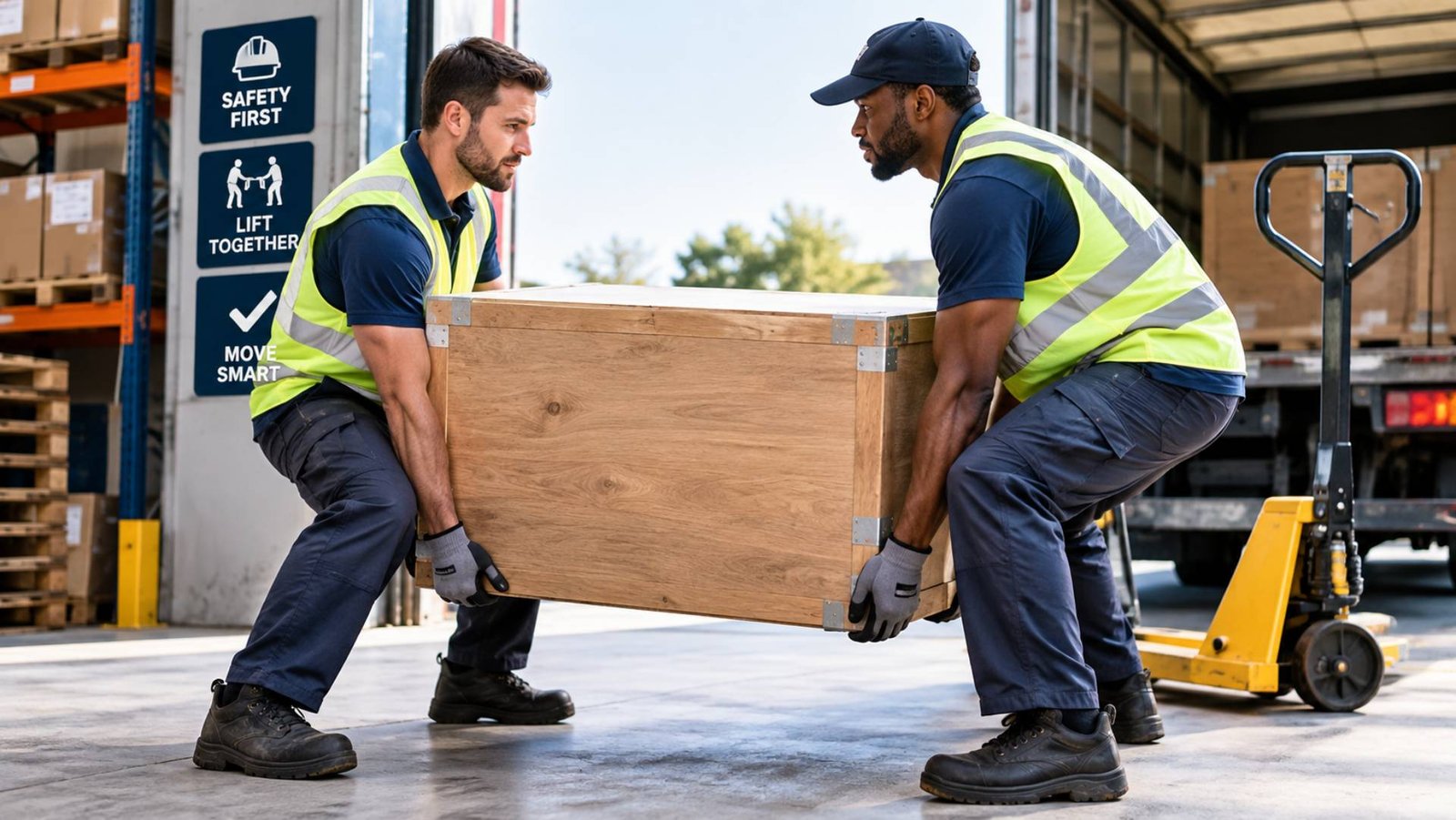
Safety should always be a priority when moving heavy items. Proper lifting techniques, secure loading methods, and careful handling help protect workers, equipment, and the materials being transported.
Operators should follow established safety procedures and ensure that loads are properly balanced and secured before movement. Regular equipment checks and clear communication between team members also contribute to a safer working environment.
Benefits of Using Professional Heavy Load Services
Professional transport providers offer valuable experience when dealing with challenging lifting and delivery requirements. Their knowledge of equipment handling, site conditions, and safe transportation methods can make complex projects easier to manage.
Using specialist services can provide several advantages:
- Improved control during loading and unloading
- Reduced risk of damage to valuable items
- Better management of difficult access areas
- More efficient completion of transportation tasks
These benefits allow businesses and project managers to focus on their main objectives while leaving heavy load handling to trained professionals.
Common Applications for Heavy Load Transport
Heavy load transportation is used across many industries, including construction, manufacturing, landscaping, and property development. Materials such as building supplies, machinery, and large structures often require specialist solutions to reach their final destination safely.
From delivering equipment to construction sites to positioning heavy items in specific locations, professional transport services provide flexibility for a wide range of projects. The right approach depends on the size of the load, the location, and the requirements of the task.
Conclusion
Moving heavy loads safely and efficiently requires careful planning, suitable equipment, and attention to detail. Understanding the challenges involved and choosing the right support can help prevent delays while ensuring that materials and equipment are handled properly.
By working with experienced professionals and following safe practices, businesses can complete heavy transportation tasks with greater confidence. A well-organised approach ensures smoother operations and better results for every project.