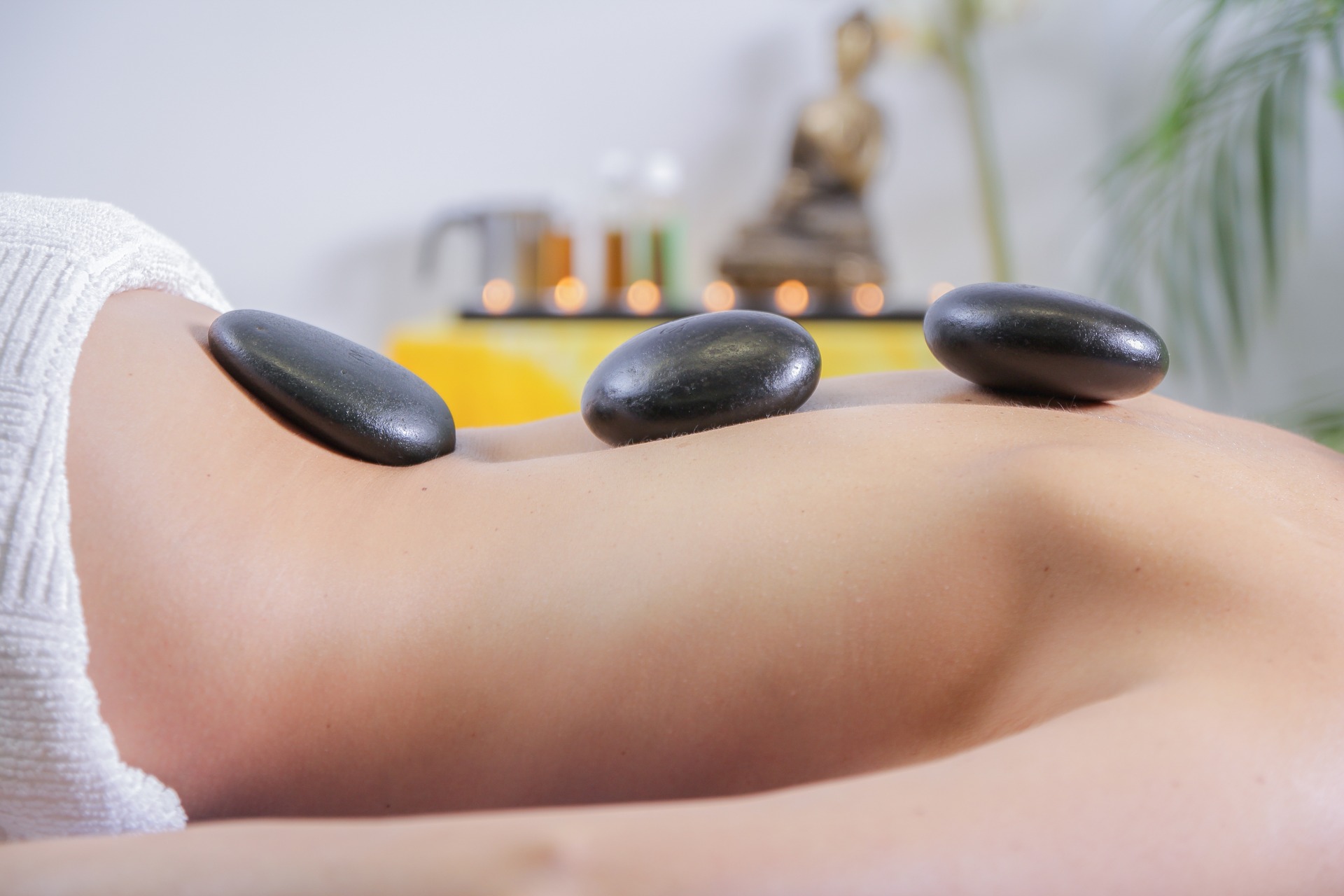
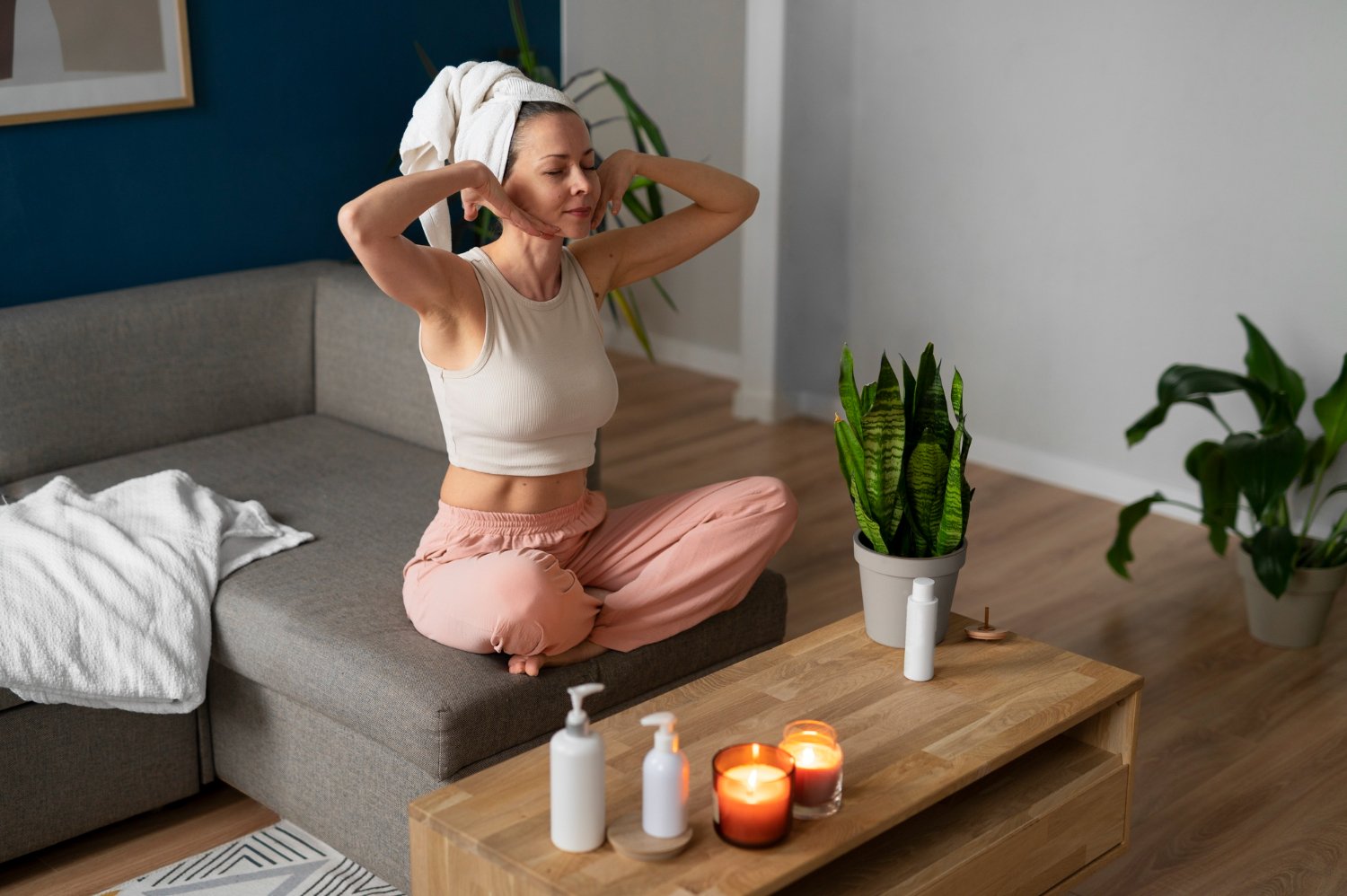
Wellness is often connected to exercise, healthy food, sleep, and mindfulness. While all of these are important, many people forget one powerful part of self-care: pleasure. Taking time to enjoy life, relax your mind, and connect with yourself can improve both mental and physical health. In today’s busy world, adding more pleasure in everyday life is not selfish. It is an important step toward balance, happiness, and emotional well-being.
Pleasure can mean different things for different people. For some, it may be reading a good book, enjoying a favorite meal, spending time with a partner, or practicing self-care rituals. For others, it could be listening to music, traveling, or simply taking a quiet break away from stress. No matter what form it takes, pleasure plays a key role in helping people feel healthier, calmer, and more connected to themselves.
Understanding Wellness Beyond Physical Health
Many people think wellness only means being physically fit. However, true wellness includes emotional, mental, and social well-being too. A healthy routine should not only focus on discipline and productivity. It should also include joy, comfort, and personal satisfaction.
When life becomes too focused on responsibilities, stress levels increase. Over time, this can lead to burnout, anxiety, poor sleep, and low energy. Pleasure helps break this cycle. Enjoyable experiences release feel-good chemicals like dopamine and serotonin, which support mood, relaxation, and emotional stability.
Adding small moments of happiness throughout the day can make a big difference. Even simple activities like enjoying coffee in silence, taking a walk, or watching your favorite show can support emotional wellness.
The Connection Between Pleasure and Mental Health
Mental health experts often encourage people to make time for activities they truly enjoy. Pleasure can reduce stress and improve emotional balance. It gives the mind a chance to rest and recharge.
People who regularly engage in enjoyable activities often feel more positive and motivated. Pleasure also helps strengthen relationships because relaxed and happy individuals tend to communicate better and connect more deeply with others.
In recent years, conversations around self-care and intimacy have become more open and healthy. Many people now read educational resources, wellness blogs, and even Explore Adult Magazines to better understand confidence, relationships, intimacy, and personal expression. These platforms often discuss topics related to emotional connection, body positivity, and modern wellness in a respectful and informative way.
Why Society Often Ignores Pleasure
For a long time, pleasure has been treated as something unimportant or even unhealthy. Many people grow up believing they must always work harder, stay busy, or put others first. Because of this mindset, relaxation and enjoyment are often pushed aside.
However, constantly ignoring your own needs can create emotional exhaustion. Wellness should not feel like punishment. A balanced lifestyle includes both healthy habits and enjoyable experiences.
Learning to value pleasure can help people build a healthier relationship with themselves. It teaches that happiness is not something to earn after burnout. It should be part of daily life.
Simple Ways to Add Pleasure to Your Daily Routine
You do not need expensive vacations or luxury experiences to enjoy more pleasure in life. Small and meaningful moments are often enough to improve your mood and reduce stress.
Here are some easy ways to bring more joy into your wellness routine:
1. Create Relaxing Morning Rituals
Start your day slowly when possible. Drink tea or coffee without distractions, listen to calming music, or spend a few minutes stretching. A peaceful morning can improve your mindset for the rest of the day.
2. Move Your Body in Enjoyable Ways
Exercise does not always need to feel intense. Dancing, yoga, swimming, or walking outdoors can feel enjoyable while still supporting physical health.
3. Practice Self-Care Without Guilt
Take time for skincare, reading, journaling, or rest. Self-care is not about being lazy. It is about giving your mind and body proper attention.
4. Spend Time With People Who Make You Happy
Healthy relationships are important for emotional wellness. Spend time with supportive friends, family members, or partners who bring positivity into your life.
5. Explore Your Interests
Pleasure also comes from creativity and curiosity. Try cooking new meals, painting, gardening, or learning something new. Hobbies help reduce stress and improve focus.
The Role of Intimacy in Wellness
Intimacy is another important part of emotional well-being. Healthy intimacy can increase feelings of comfort, trust, and connection. Whether through romantic relationships or personal self-awareness, understanding your emotional and physical needs is part of overall wellness.
Open conversations around intimacy have helped reduce shame and encourage healthier perspectives. Many wellness experts now recognize that confidence, emotional connection, and personal satisfaction are all connected to long-term happiness.
This does not mean pleasure must always be physical or romantic. Emotional pleasure matters too. Feeling understood, appreciated, and emotionally safe can improve mental wellness just as much as physical relaxation.
Pleasure Can Improve Productivity Too
Interestingly, allowing yourself to enjoy life can also improve focus and productivity. People who rest properly often perform better at work and feel more creative. Constant stress lowers concentration and energy levels, while enjoyable breaks help refresh the brain.
Instead of seeing pleasure as a distraction, it should be viewed as part of a healthy routine. A balanced mind is more productive than an exhausted one.
For example, taking short breaks during the workday, listening to music, or spending time outdoors can improve motivation and reduce mental fatigue.
Building a Balanced Wellness Routine
A good wellness routine should support both discipline and enjoyment. Instead of creating strict routines that feel impossible to maintain, focus on habits that feel realistic and fulfilling.
Here are a few questions to ask yourself:
- What activities make me feel relaxed and happy?
- When do I feel most calm and connected to myself?
- Am I making enough time for rest and enjoyment?
- What small changes can improve my daily mood?
The answers can help create a wellness routine that feels natural instead of stressful.
Final Thoughts
Pleasure is not a luxury. It is an important part of a healthy and balanced life. When people allow themselves to enjoy small moments of happiness, they often feel calmer, healthier, and more emotionally connected.
Wellness is not only about strict routines, workouts, or productivity goals. It is also about joy, comfort, creativity, rest, and connection. Adding more pleasure into your daily routine can improve mental health, reduce stress, strengthen relationships, and help you feel more present in everyday life.
By making space for enjoyable experiences, people can create a healthier relationship with themselves and build a lifestyle that supports both happiness and well-being for the long term.