
Hiring a skip can make clearing waste from a renovation, garden project or commercial site considerably easier. However, selecting the wrong size or overlooking disposal restrictions can create delays and unexpected costs. A little preparation will help you choose a dependable, cost-effective service.
Why Choosing the Right Skip Hire Service Matters
A reliable provider should deliver and collect the skip at agreed times, explain disposal rules and handle waste legally. This is particularly important when space is limited or the project must follow a strict schedule.
When comparing skip hire Maidenhead services, look beyond the initial price. Consider the provider’s reputation, licence status, customer support, recycling practices and clarity of terms.
Work Out How Much Waste You Have
Begin by identifying the type and approximate volume of material you need to remove. Waste from a bathroom refurbishment differs considerably from bulky furniture, garden cuttings or construction rubble.
Avoid estimating by weight alone, as large but lightweight items can fill a skip quickly. List the main materials and consider whether bulky objects can be safely dismantled. A reputable provider should help you estimate capacity when given an accurate project description.
Choose the Correct Skip Size
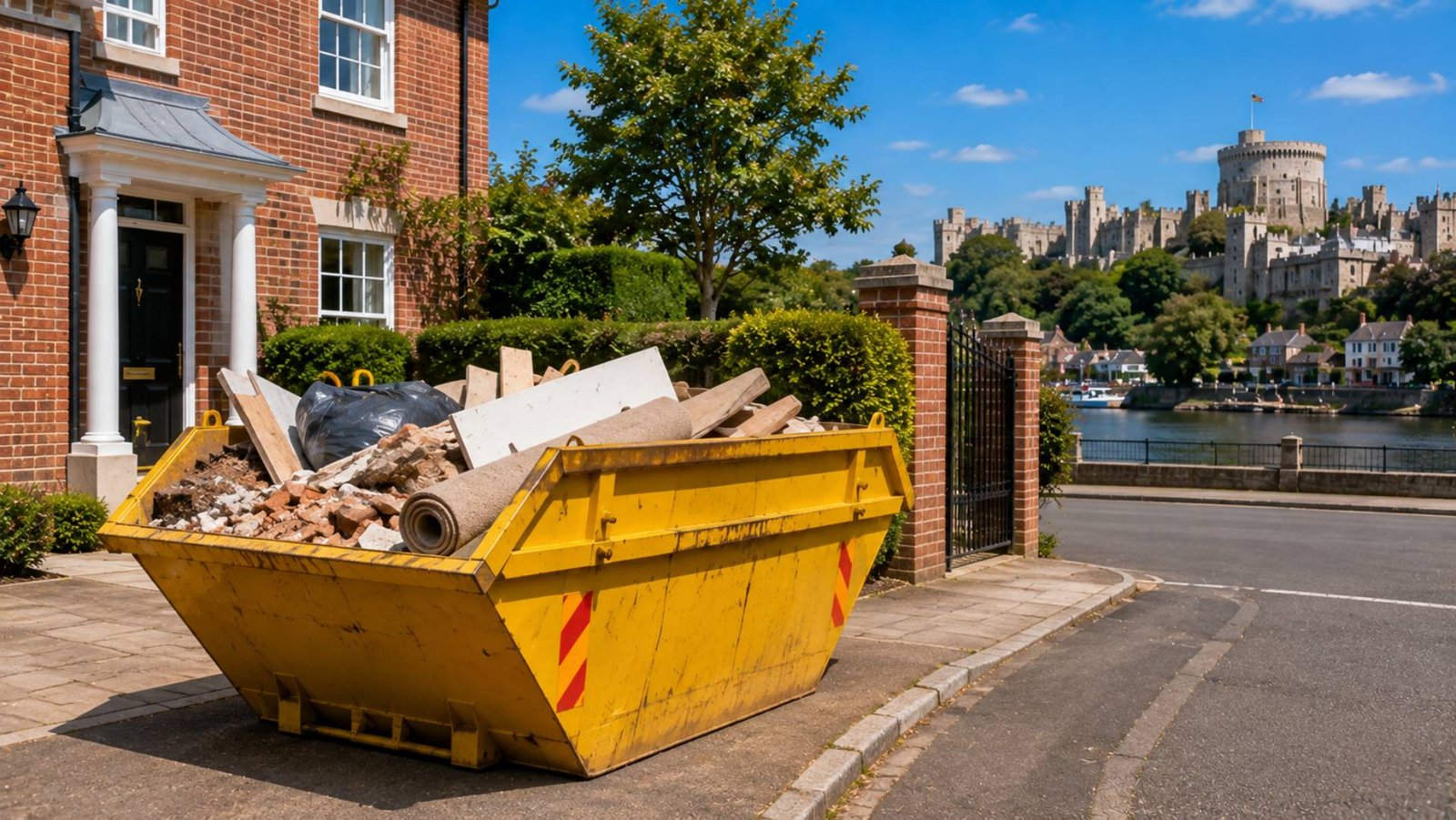
Skip sizes are commonly measured in cubic yards. Smaller skips may suit minor household clearances, while builders’ skips are often better for renovation and construction waste. Larger containers may be appropriate for substantial commercial projects, subject to access and placement restrictions.
Hiring a skip that is too small may mean paying for another collection. An unnecessarily large skip can also waste money and occupy more space than required. Ask about the usable dimensions rather than relying only on size names, which can vary between providers.
Check What You Can Dispose Of
General household, garden and construction waste is often accepted, but restrictions apply. Items commonly prohibited from standard skips include asbestos, batteries, gas cylinders, tyres, electrical appliances, fluorescent tubes, paint, solvents and certain chemicals.
Plasterboard may need to be separated from other materials. Mattresses, fridges and other specialist items can also attract additional charges. Always disclose your waste types before booking rather than assuming everything can be mixed together.
Compare Prices and Service Terms
Request written quotations from several providers offering skip hire Maidenhead and check that each quote covers the same service. A low headline price may exclude delivery, collection, permits, extended hire or charges for particular materials.
Confirm:
- The skip size and maximum permitted load
- Delivery and collection arrangements
- The standard hire period
- Charges for extra days or wasted journeys
- Restricted materials and overweight fees
- Whether VAT and permit costs are included
Read the cancellation and access terms as well. If a driver cannot reach the agreed location, an unsuccessful delivery charge may apply.
Consider Access and Skip Placement
Skips placed on private land, such as a driveway or building site, do not generally require a highway permit. However, placing one on a public road usually requires permission from the local authority. Depending on the council, the skip company may arrange this on your behalf.
Measure gateways, driveways and overhead clearance before booking. Consider parked vehicles, trees, cables and weak surfaces. Delivery vehicles need enough room to manoeuvre and extend their lifting equipment safely.
Protect block paving or tarmac where necessary, as a loaded skip can be extremely heavy. Never fill above the marked level because unsafe loads may be refused.
Check Waste Disposal Practices
Use a registered waste carrier and verify its details through the Environment Agency’s public register. This reduces the risk of your waste being handled unlawfully or fly-tipped.
Ask what proportion of collected material is recycled or recovered and where it is processed. Responsible operators sort materials such as metal, wood, soil and aggregates rather than automatically sending mixed waste to landfill.
Questions to Ask Before Booking
Check when delivery can be expected, whether a precise time slot is available and how collection should be requested. Ask what happens if the project finishes early or requires an extension.
Good customer service matters when plans change. The provider should offer clear contact details, answer questions directly and explain additional costs before confirming the booking.
Conclusion
The best skip hire service combines suitable capacity, transparent pricing, legal compliance and responsible waste handling. By checking your waste volume, access arrangements, restrictions and collection terms in advance, you can avoid common problems and keep your clearance project running efficiently.