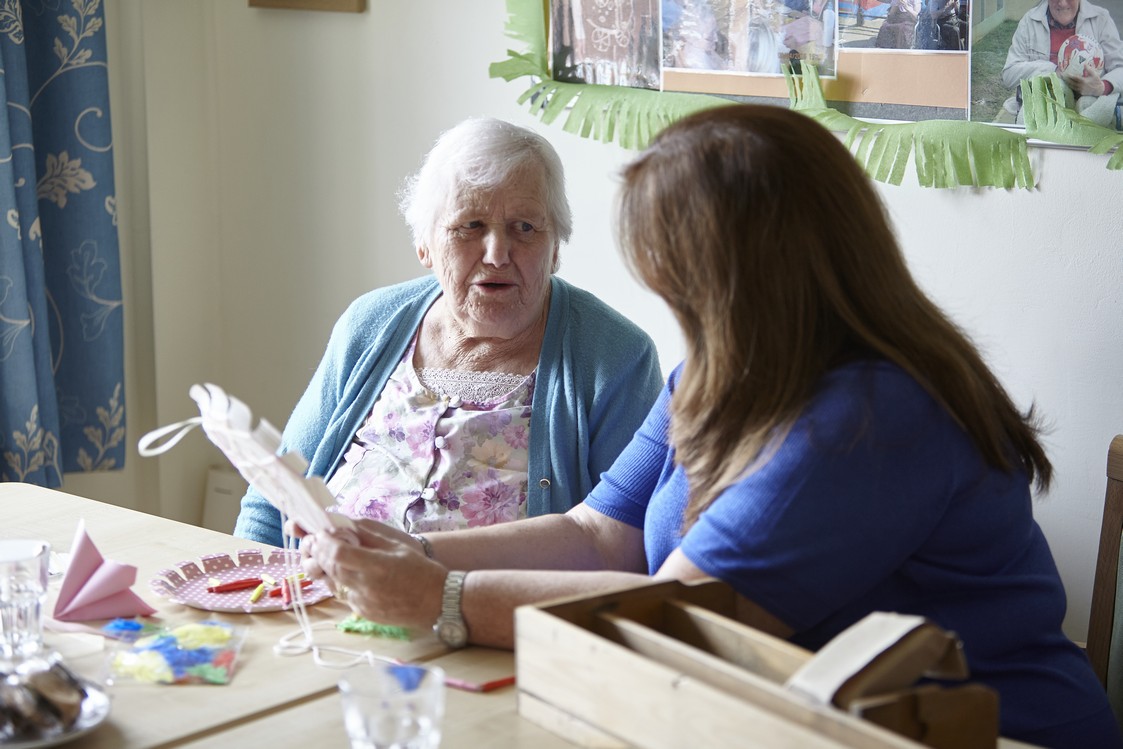

Finding the right care home involves balancing practical needs with emotional reassurance. A welcoming environment, compassionate staff, and personalised support all contribute to a positive experience. Knowing what to look for before making a decision helps families feel confident that their loved one will receive respectful, high-quality care every day.
Choosing a residential care home in Sewardstone is a significant decision that requires careful thought and planning. Families naturally want a place where their loved one will feel safe, respected, and supported while maintaining as much independence as possible. Beyond comfortable surroundings, it is important to consider the quality of care, the experience of the care team, and how well the home adapts to individual needs. Taking the time to understand what makes a residential care home truly exceptional allows families to make an informed choice and feel reassured that their loved one will receive compassionate, person-centred support in a welcoming environment.
The Importance of a Warm and Supportive Environment
Moving into a residential care home is a major life change, so the atmosphere of the home plays an important role in helping residents settle comfortably. A welcoming setting encourages people to feel relaxed, valued, and part of a community rather than simply living in a care facility.
Comfortable bedrooms, inviting communal areas, attractive gardens, and friendly staff all contribute to creating an environment where residents can enjoy daily life with confidence. Families should also look for homes that encourage social interaction while respecting each resident’s personal preferences and routines.
Personalised Care Should Always Be a Priority
Every resident has different needs, interests, and life experiences. High-quality residential care recognises these differences by providing support that reflects the individual rather than following a standard routine.
A personalised care plan should be regularly reviewed and adapted whenever needs change. This ensures residents continue receiving appropriate support while maintaining their independence wherever possible.
Good personalised care often includes:
- Assistance with personal care and daily living.
- Support that respects individual routines and preferences.
- Nutritious home-cooked meals.
- Opportunities to participate in meaningful activities.
- Encouragement to remain socially engaged.
This tailored approach helps residents maintain confidence while enjoying a comfortable and fulfilling lifestyle.
Experienced and Compassionate Staff Make a Difference
The quality of care depends greatly on the people delivering it. Experienced, compassionate carers provide reassurance not only for residents but also for their families.
A caring team should take time to understand each resident, communicate respectfully, and build trusting relationships. Consistency among staff also helps residents feel more comfortable, particularly when they become familiar with the people supporting them each day.
When visiting a care home, observe how staff interact with residents. Genuine kindness, patience, and respect are often clear indicators of a positive care environment.
Daily Life Should Be Enjoyable
Choosing a residential care home in Sewardstone involves looking beyond care itself. Residents should have opportunities to enjoy everyday life, remain active, and continue participating in activities that bring them happiness.
Meaningful activities help support physical wellbeing, mental stimulation, and emotional health. Whether residents enjoy creative hobbies, gentle exercise, social events, or simply spending time with others, an engaging programme contributes to a richer quality of life.
Equally important is allowing residents the freedom to choose how they spend their day. A balanced approach respects personal independence while offering opportunities for participation whenever desired.
Consider the Range of Care Available
A residential care home should provide support that meets residents’ current needs while remaining flexible if those needs change over time.
Many families appreciate homes that can offer a range of care services, including residential care, dementia care, respite care, nursing care, and compassionate end-of-life care where appropriate. This continuity can provide greater reassurance and reduce the need for future moves if additional support becomes necessary.
Discussing both current and future care requirements during the selection process helps families determine whether the home is well suited for long-term care.
Questions Worth Asking During a Visit
Visiting a care home provides valuable insight that brochures and photographs cannot always capture. It is also the ideal opportunity to ask questions and observe daily life.
Some useful questions include:
- How are personalised care plans developed and reviewed?
- How are residents encouraged to remain independent?
- What activities are available throughout the week?
- How does the team communicate with family members?
- How are changing care needs managed?
The answers should demonstrate a genuine commitment to person-centred care rather than providing generic responses.
The Importance of Food, Comfort, and Wellbeing
Everyday comforts have a significant impact on residents’ happiness and overall wellbeing. Nutritious meals, pleasant surroundings, and opportunities to socialise all contribute to creating a positive living experience.
Families should consider whether the home provides freshly prepared meals that cater for individual dietary needs and preferences. Comfortable communal spaces also encourage residents to spend time together, reducing feelings of isolation while creating opportunities for friendship and conversation.
Small details often make a meaningful difference to everyday life and should never be overlooked during the decision-making process.
Building Trust Through Family Involvement
A strong relationship between families and the care team helps create the best possible experience for residents.
Good care homes encourage regular communication, welcome family visits, and involve relatives in care planning where appropriate. Open communication allows families to remain informed while ensuring residents continue receiving support that reflects their preferences and changing needs.
When families feel listened to and included, it builds confidence and strengthens trust in the care being provided.
Conclusion
Selecting the right residential care home in Sewardstone is about finding a place where compassionate care, personalised support, and a welcoming environment come together. While practical considerations such as facilities and services are important, families should also focus on the quality of relationships, the experience of the care team, and the home’s commitment to promoting dignity, independence, and wellbeing. Visiting prospective homes, asking thoughtful questions, and observing daily life can provide valuable reassurance before making a final decision. A residential care home that offers tailored care, engaging activities, comfortable surroundings, nutritious meals, and respectful support creates an environment where residents can continue enjoying a fulfilling lifestyle. Taking the time to make an informed choice helps families feel confident that their loved one will receive the care, comfort, and attention they deserve both now and in the future.