Whether you are clearing a house, renovating a kitchen or completing building work, waste can accumulate faster than expected. Without proper planning, rubbish may obstruct working areas, create safety risks and lead to unnecessary disposal trips. A well-organised approach makes waste removal quicker, safer and more environmentally responsible.
Plan Waste Removal Before Work Begins
Waste management should be considered before starting the main project. Identify where rubbish will be stored, how it will be separated and when it will be collected. This prevents waste from being placed wherever space is available.
Think about the type of project and the materials it is likely to produce. A garden clearance may generate soil, branches and vegetation, while a renovation could create timber, tiles, plasterboard, packaging and old fixtures.
Your plan should cover:
- The expected waste types
- A suitable storage or skip location
- Access for collection vehicles
- Recycling arrangements
- Any items requiring specialist disposal
- The likely duration of the project
Early planning also allows you to check whether a skip permit may be needed. A permit is generally required if the skip will be placed on a public road rather than private land.
Estimate How Much Waste You Will Produce
Underestimating waste volume can result in an overflowing container or the need for an additional collection. Overestimating it could mean paying for unused capacity.
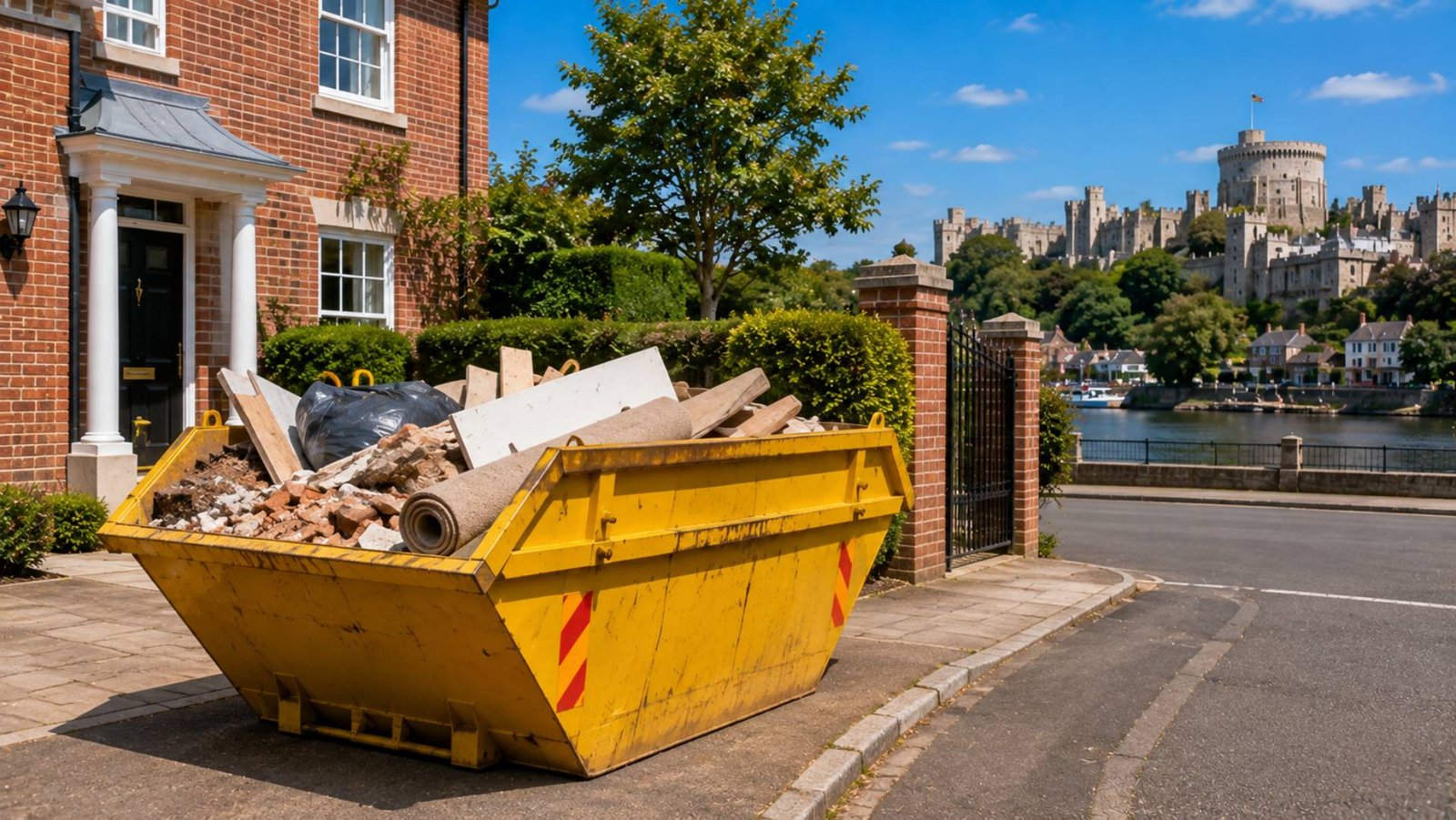
Before booking skip hire Windsor, inspect the materials you intend to remove. Break the project into stages and estimate how much waste each stage will generate. Consider the volume rather than simply the weight, as large lightweight objects can occupy substantial space.
Account for Different Waste Types
Household waste from a clearance may include furniture, clothing, toys, packaging and general clutter. Construction waste is often heavier and may contain rubble, bricks, concrete, timber and metal.
Certain heavy materials can affect which skip sizes are suitable. Always explain the nature of the waste accurately when arranging a container so that the provider can recommend an appropriate option.
Separate Recyclable Materials
Separating materials at the source makes recycling easier and prevents reusable resources from becoming contaminated. Create clearly marked areas for materials such as:
- Metal
- Cardboard and paper
- Clean timber
- Glass
- Plastics
- Soil and garden waste
- General non-recyclable rubbish
For larger projects, separate containers or designated piles can improve organisation. Keeping recyclable materials apart may also support more efficient processing after collection.
Reduce Unnecessary Waste
The most effective way to manage rubbish is to avoid creating it unnecessarily. Measure materials carefully before buying them and avoid ordering excessive quantities.
Leftover paint, unopened tiles, timber and usable fixtures may be suitable for future projects. Alternatively, consider donating them to a community group, charity or reuse organisation. Furniture and working appliances may also be sold or given away rather than discarded.
During renovation work, dismantle items carefully where practical. Doors, cabinets, bricks and fittings may be reusable if removed without significant damage.
Choose the Right Skip Size
Selecting a suitable container is essential for efficient rubbish clearance. A skip that is too small may require another booking, while an unnecessarily large one may increase costs.
Common options range from small mini skips for minor household projects to larger builders’ skips for renovations and construction work. When considering skip hire Windsor, discuss the estimated volume, weight and type of waste with the provider rather than choosing solely on price.
Do Not Overfill the Skip
Waste should remain level with the top edge of the container. Overfilled skips can be unsafe to transport and may be refused for collection. Break down bulky items, flatten cardboard and position materials carefully to use the available space efficiently.
Place flat objects along the sides or bottom, fill gaps with smaller items and avoid throwing everything into the skip without a system.
Organise Waste as the Project Progresses
Do not wait until the end of the job to begin clearing rubbish. Remove waste regularly so that paths, entrances and working areas remain safe.
Position the skip close enough to the project for convenient loading, but make sure it does not block essential access. If several people are involved, explain how materials should be separated and where each type should go.
A structured approach reduces double handling. Materials can be taken directly from the work area to the correct container instead of being moved repeatedly.
Check Which Items Are Prohibited
Not every material can be placed in a general skip. Restrictions vary between waste carriers, but commonly prohibited items may include:
- Asbestos
- Batteries
- Gas cylinders
- Tyres
- Fluorescent tubes
- Electrical appliances
- Certain paints and solvents
- Medical or clinical waste
- Chemicals and hazardous liquids
Ask the provider for a complete prohibited-items list before loading begins. These materials usually require separate collection or delivery to an authorised disposal facility.
Save Time and Avoid Repeated Trips
Transporting rubbish to a recycling centre in a small vehicle can require numerous journeys. This consumes fuel, takes time and may leave the vehicle dirty or damaged.
Using skip hire Windsor for a substantial clearance allows waste to be collected from one location. Schedule delivery shortly before work starts and arrange collection once the container is safely filled. Avoid keeping it longer than necessary, particularly where access or parking space is limited.
Prioritise Responsible Disposal
Choose a registered waste carrier that can explain how collected materials are handled. Reputable operators sort waste and direct suitable materials towards recycling or recovery facilities.
Keep relevant booking records or waste documentation, especially for commercial projects. Businesses have a legal duty of care to ensure their waste is transferred to an authorised person and managed responsibly.
Conclusion
Efficient waste removal depends on careful planning, accurate volume estimates and good organisation throughout the project. Choosing an appropriately sized container, separating recyclable materials and checking disposal restrictions can prevent delays and unnecessary expense. A responsible approach also keeps the site safer while ensuring that as much waste as possible is reused or recycled.